PHOTOS BY ELIZABETH HAY PHOTOGRAPHY
By
Lindsey Stornetta
![]()
, Platinum Performance®

Lindsey Stornetta,
Platinum Performance®
Lindsey Stornetta has been assisting equine veterinarians and high-level riders with her expertise in advanced nutrition for over 15 years. A lifelong horsewoman and competitive barrel racer herself, Lindsey has a deeply held passion for all aspects of the equine world, from high performance sport to the intricacies of veterinary medicine.
Tools for Summer Success
Check out these important tools to help your horse beat the heat.
Fresh Water
Providing fresh, clean water can go a long way to keeping your horse healthy and hydrated. On average, a horse will drink 5-10 gallons per day and in hot weather, that amount can easily double or triple. Cool water is favorable, making it important to keep water sources in shaded areas and refill any hanging buckets regularly. Remember to clean water troughs frequently.
Shade
Just like their riders, horses need shade to beat the heat. Whether it’s in a barn or under a tree, shady spots can provide a temperature drop of up to 10 degrees Fahrenheit (F). Not only does the shade help with cooling horses off, it can also help protect them from sunburn. For horses that are extra sensitive to the sun, avoid turning them out during the hottest part of the day between 2 and 5 o’clock in the afternoon.
Green Grass
Fresh pasture grass contains 75-85% water whereas harvested hay is dried to less than 20% moisture for storage. Grass also has a higher level of nutrition, including antioxidants like vitamin E that helps support muscle recovery in hot weather. If fresh grass is not an option, consider wetting hay down in the summer to help keep horses hydrated and minimize the dust inhalants.
Fans
Proper ventilation is important to keep horses breathing fresh air, provide a cool breeze and keep the flies away. Whether in the barn, trailer or indoor arena, ensure airflow by opening up doors and windows, as well as utilizing outdoor-use fans in musty areas.
Cooling Blankets
Evaporative blankets can be soaked in water, wrung out and placed on horses after intense exercise, while traveling or on extremely hot days. They can provide hours of cooling relief.
Sunscreen
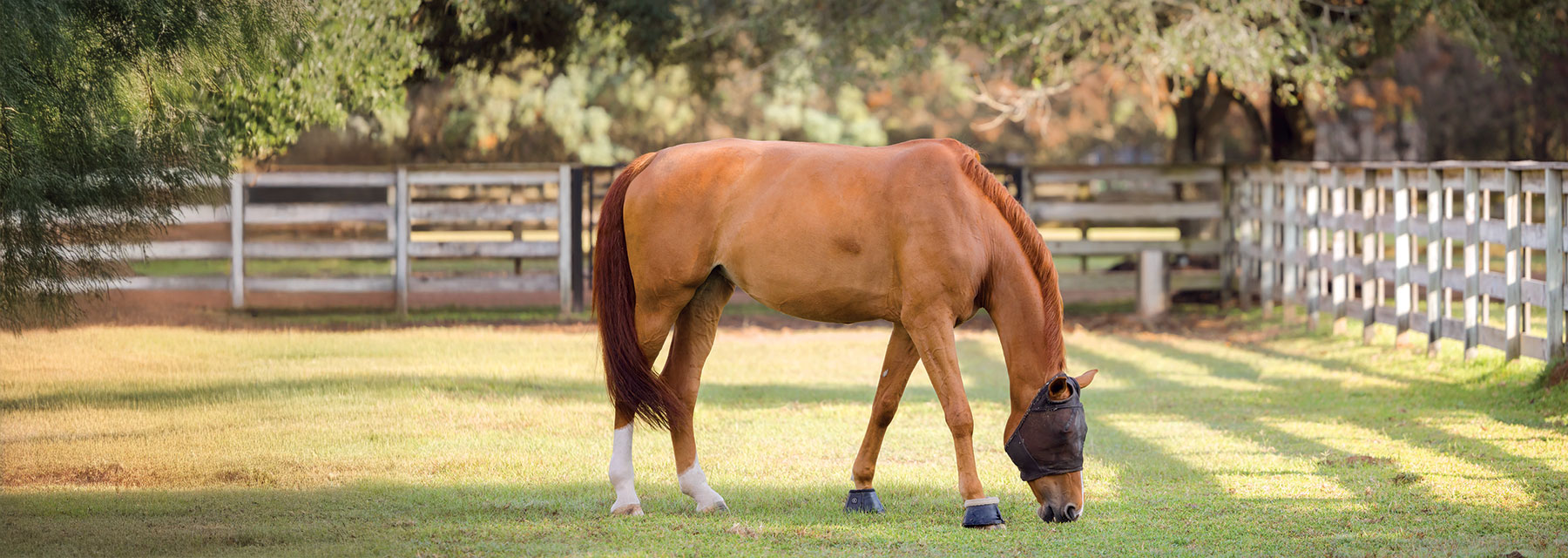
Horses with white on their extremities like the face, nose or legs can be prone to sunburns. Other vulnerable areas include the ear tips, heels and around the eyes. It’s important to choose a sunscreen that is long-lasting and waterproof.
Fly Control
Flies and other insects are an increased irritation in the summer months. Flysheets, masks and sprays can provide relief. Cleaning stalls regularly and storing manure far away from horses also decreases the number of flies. For especially itchy horses, supplementing with omega-3 fatty acids, DHA and quercetin can help.
Electrolytes
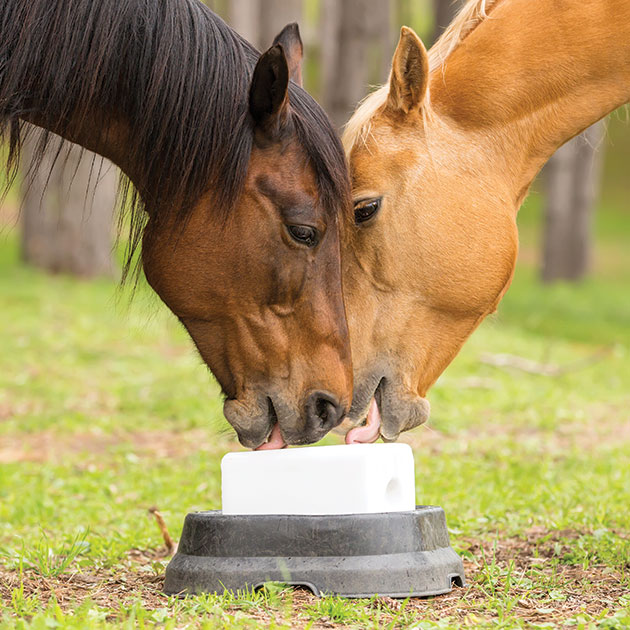
Plain, white salt should always be available. Horses may require supplemental electrolytes in hot weather or after intense exercise to replace minerals lost through sweat and encourage drinking. An appropriate supplement will have salt as the first and primary ingredient that makes up at least 75% of the total volume. For maintenance purposes, an ounce of salt (~2 tablespoons) is an appropriate amount per day to add to a horse’s diet in cool weather and can be doubled in hot, humid conditions. Always ensure horses have fresh water when supplemented with electrolytes.
Thermometer
It’s important to stay vigilant and measure temperatures during heat waves to ensure there are no signs of heat stress. Keep a thermometer on hand to monitor when needed; 99-101.5°F is considered the normal resting range in the equine population, but it’s best to know what your horse’s normal temperature is when measuring regularly. Remember that your horse’s temperature will increase with exercise, decreasing back down to normal within about 30 minutes.
Supplements
Platinum’s wellness formulas are designed to be fed with a forage-based diet to fill in any nutritional gaps and ensure horses have all the necessary vitamins, minerals, antioxidants and omega-3 fatty acids for complete daily health. With all the summer stresses of heat and travel, providing a comprehensive foundation can ensure horses stay strong, healthy and perform at their best all summer long. You may also consider adding zinc and lysine during travel to provide additional immune support.

Summer Stresses
Anhidrosis
This debilitating condition is defined as the decreased ability or loss of ability to sweat in response to increased body temperature. Most commonly referred to as non-sweaters, affected horses become lethargic, unwilling to exercise and have a hard time recovering post-workout. Supplementation can help support normal sweating in horses that struggle during the summer. Omega-3 fatty acids and antioxidants combined with specific nutrients, such as arginine and the B Vitamins (B3, B6, and B1) can support normal sweating in some horses.
Sweet Itch
Sweet itch goes by many names, including summer itch, Queensland itch and Insect Bite Hypersensitivity (IBH). Technically known as Culicoides hypersensitivity, it is a type of seasonal dermatitis caused by an allergy to the saliva of biting insects. Affected horses will itch intensely to relieve the irritation and end up with welts, hair loss and weeping sores usually found on the neck (under the mane), belly and around the tail dock. Nutrition can be a powerful tool to support healthy skin and immune function. Omega-3 fatty acids and antioxidants can support a healthy skin and coat while advanced cases may need extra strength with the ingredients such as quercetin and algal DHA to support healthy histamine levels.
Headshaking
Trigeminal-mediated headshaking is defined as hypersensitization of the trigeminal nerve and can be identified by a repetitive, involuntary headshaking in an up-and-down, vertical motion versus the normal side-to-side headshaking commonly seen in horses. Behavior can be exacerbated by the sun, wind and flies with summer often bringing on the most extreme symptoms. Magnesium supplementation has been shown to support horses that display headshaking behavior because of its calming effect on the trigeminal nerve. Supplementation of magnesium and boron in combination can support the absorption of magnesium.
Heat Stress
This serious summer health risk happens when a horse can’t thermoregulate properly, usually due to extreme temperatures, humidity or heavy work and causes the body’s temperature to rise above 102°F and in extreme cases up to 106°F. Warning signs for heat stress include increased heart rate and breathing, profuse sweating or no sweating, droopy ears, dehydration and lethargy. Overheated horses must be addressed quickly in order to prevent heat stroke. Helpful best practices include providing access to cool water, shade, electrolytes and hosing the horse down with water. Call your veterinarian immediately if heat stroke is suspected.
Keep An Eye On
Respiratory Rate
10-24 breaths per minute at rest, and should return to normal within 10 minutes after exercise.
Heart Rate
28-44 beats per minute.
Mucous Membranes
Gums should be moist and pink.
Capillary Refill Time
When a finger is pressed firmly against the horse’s gums, the point of pressure should return to a pink color within 1-2 seconds.
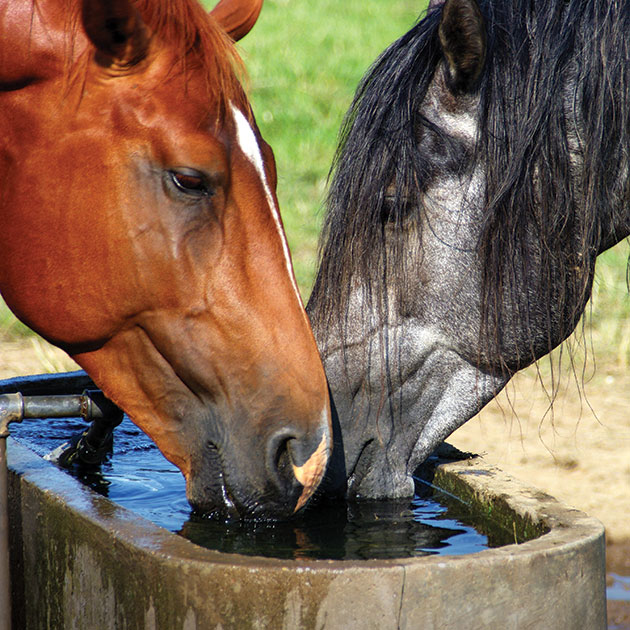
On average, a horse will drink 5-10 gallons per day, and in hot weather, that amount can easily double or triple.
ISTOCKPHOTO.COM PHOTOS
Supplements for Summer
Platinum Performance® Can Help
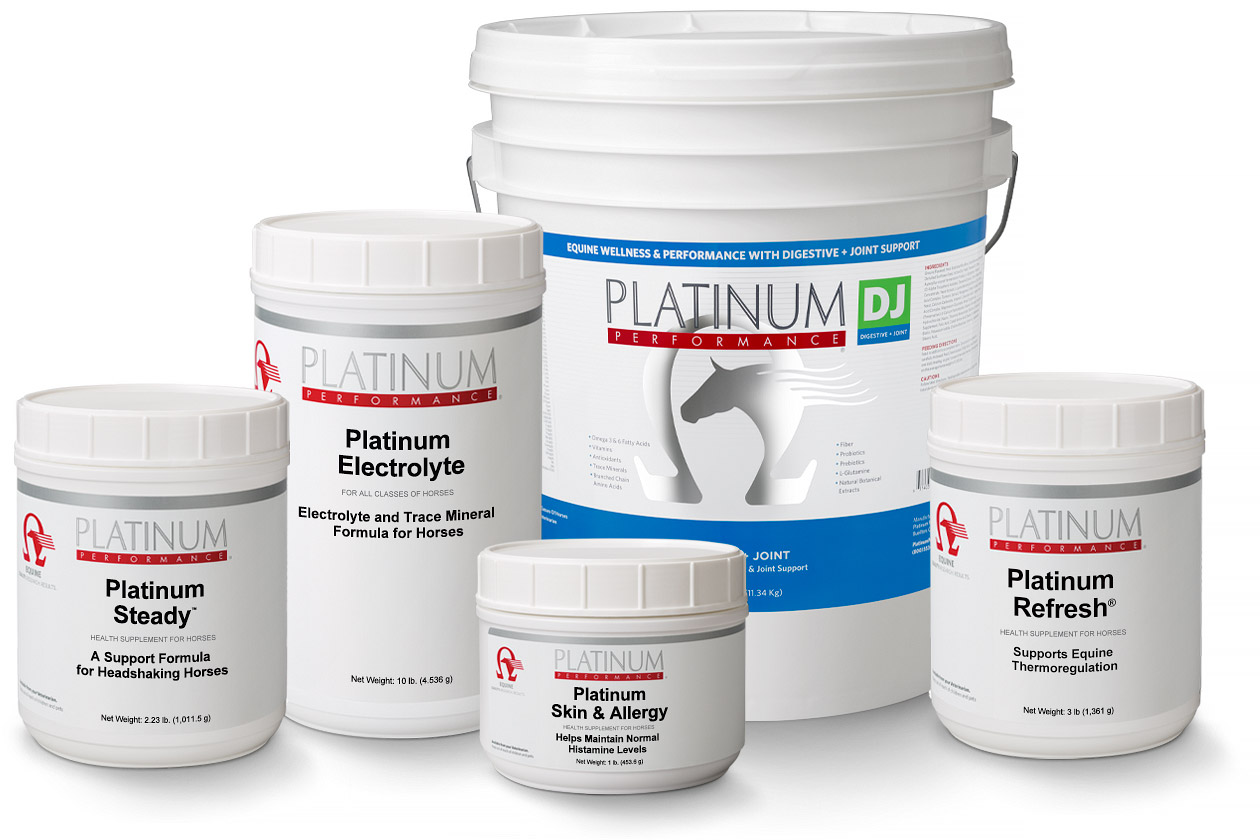
- Platinum Performance® DJ
- Platinum Skin & Allergy
- Platinum Refresh®
- Platinum Electrolyte
- Platinum Steady™
Need Sound Advice? A Platinum Advisor can Help Design a Custom Plan for Your Horse. Call 800-553-2400 or Text 833-997-5250
Request Platinum Magazine
Read inspiring stories of success, companionship and collaboration
At Platinum Performance, we love to showcase the success of our clients, their horses and the veterinarians that care for them. All issues of Platinum Magazine are complimentary.