PHOTOS BY ELIZABETH HAY PHOTOGRAPHY
By
Lindsey Stornetta
![]()
, Platinum Performance®

Lindsey Stornetta,
Platinum Performance®
Lindsey Stornetta has been assisting equine veterinarians and high-level riders with her expertise in advanced nutrition for over 15 years. A lifelong horsewoman and competitive barrel racer herself, Lindsey has a deeply held passion for all aspects of the equine world, from high performance sport to the intricacies of veterinary medicine.
The Pros and Cons of This New and Growing Diet Plan
With the growing popularity of clean eating and eliminating processed foods in human diets, pet owners are exploring what’s best for their beloved four-legged companions. Last year alone, the fresh dog food market grew approximately 13.4% (or $208 million), according to NielsenIQ, a global marketing research firm based in Chicago, and the industry now accounts for an estimated 10-15% of the total premium pet food market. These numbers are expected to continue growing as more and more consumers switch their dogs from traditional kibble.
Last year alone, the fresh dog food market grew approximately 13.4% (or $208 million), according to NielsenIQ, and the industry now accounts for an estimated 10-15% of the total premium pet food market.
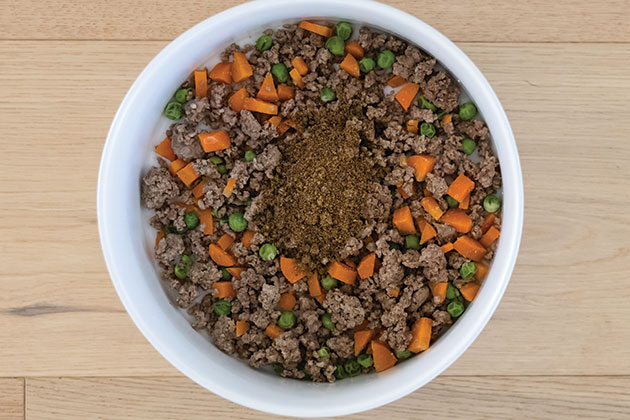
Fresh dog food is minimally processed (cooked with low heat) and made with fewer preservatives than traditional dog food. The ingredients are usually human-grade and consist of lean meats, fruits, vegetables and whole grains.
What is Fresh Dog Food?
Simply put, fresh dog food is minimally processed (cooked with low heat) and made with fewer preservatives than traditional dog food. The ingredients are usually human-grade and consist of lean meats, fruits, vegetables and whole grains. While some fresh food brands have been around for decades, the growing popularity of this dietary category is also thanks to improved technology and personalization. Early fresh food brands steam cooked entire batches together at moderate temperatures while modern recipes cook ingredients separately to allow for better consistency and improved texture. Subscription-based ordering has also been widely adopted throughout the industry, allowing pet owners to create online profiles for their dogs. The platform automatically calculates and sends pre-portioned, daily meal packs based on each dog’s individual needs. The plan eliminates the guesswork of how much to feed each dog and sets up owners to succeed by offering (and encouraging) automatic shipments, so meal stocks never run low.
Three Forms of Dog Food
Kibble
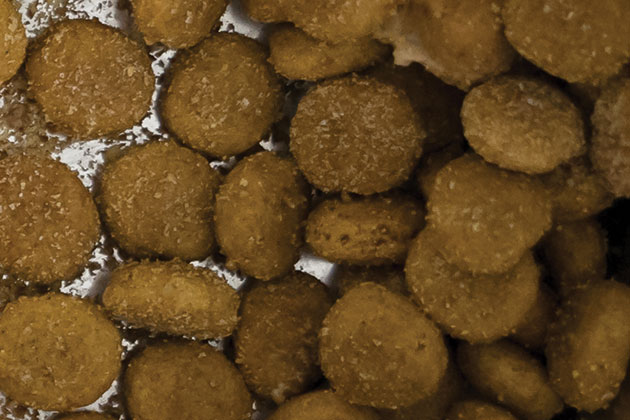
This is the most commonly used and easily accessible dog food that is made through baking (high heat) or extrusion (high heat and pressure). Known as the traditional dog food, kibble is very convenient because it is readily available, has a long shelf life and is the lowest in price.
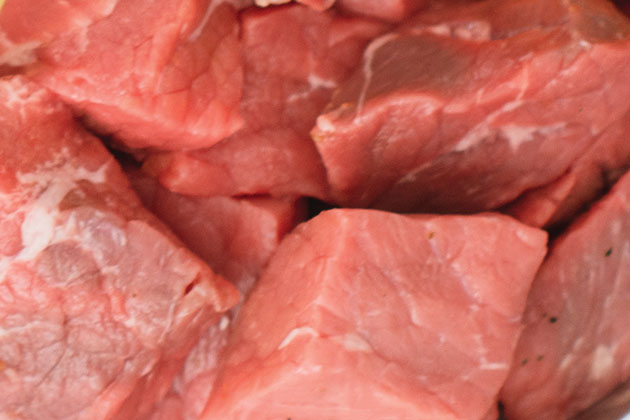
Raw Food
The most natural of all the forms to feed your dog, raw diets consist of uncooked, whole meats. This diet is highly palatable for dogs; however, it requires careful food safety handling and has the shortest shelf life. Supplementation is recommended to ensure everyday nutrient values are met and there are no significant nutritional deficiencies in the diet.
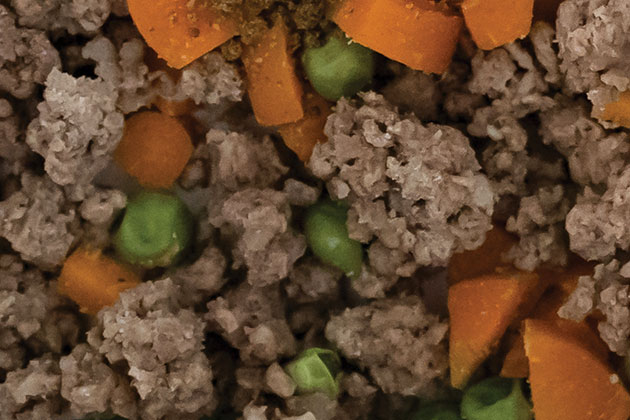
Fresh Food
This is meant to be the middle ground between the dog’s natural raw diet and traditional kibble. Fresh dog food is only cooked on low heat to maximize nutrient value; however, this shortens the shelf-life and requires strict food safety handling and refrigeration before use.
The Benefits
The biggest reason owners are making the switch to a fresh food diet for their pets is, of course, the nutritional value. While all dog foods must meet basic nutritional needs as defined by the Association of American Feed Control Officials, fresh foods have been shown to outperform processed kibble in digestibility and nutrient absorption. Due to the way fresh dog food is processed, the ingredients retain more of their nutritional value when gently cooked than traditional dog food. Moreover, there is a significantly higher moisture content in the fresh food (65-75% moisture) compared to kibble (10% moisture), which helps support digestion, kidney function, hydration and regular bowel movements.
A fresh food diet is also attractive to dog owners who have concerns with palatability, weight management and senior health. Made with whole ingredients, it’s much tastier to a dog compared to traditional choices. This is beneficial for picky-eaters and older dogs with suppressed appetites. For overweight and underweight dogs, custom plans with pre-measured meals help owners provide correct servings and prevent over- or under-feeding. Some owners may also consider a fresh diet for senior dogs who have a hard time chewing the hard kibble. Whatever the reasoning, feeding fresh food seems to be helping many canine companions across the country live happy and healthy lives.
Considerations Before Switching
While the benefits are ultimately what every pet owner would prefer, they do come with a literal cost. The biggest drawback is the price difference between everyday kibble and a fresh food diet. Depending on the size of dog and brand chosen, a fresh diet costs approximately $5 to $10 a day versus a dry kibble that costs on average 50 cents to $2 a day. The logistics of storing and feeding fresh food are also a concern. Because the meals lack preservatives, the food must be refrigerated or kept frozen, which can take up considerable space in the refrigerator and freezer, as well as offer a challenge when traveling with pets. Feedings will also require greater preparation time (thawing the meal) versus the normal “scoop and serve” most owners are used to. Since fresh brands are typically subscription based, times when food supplies run out cannot be cured with a quick trip to the grocery store. Lastly, unlike regular kibble, fresh food will spoil if food safety guidelines are not met or if left out too long after opening; a tricky scenario with dogs that like to “graze” on their meal throughout the day.

Depending on the size of dog and brand chosen, a fresh diet costs approximately $5 to $10 a day.
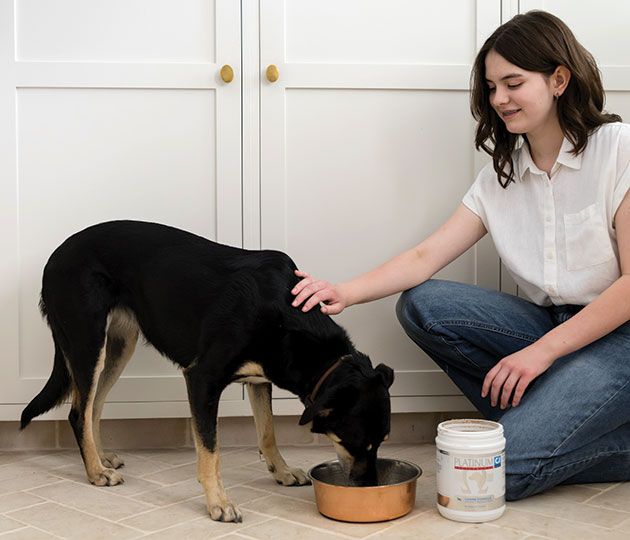
Supplements help ensure your dog is getting everything they need. Vitamins, trace minerals, amino acids and more are key. Omega-3 fatty acids provide a multitude of health benefits and are not present in a fresh food or kibble diet due to its complex profile that will not remain stable through any heating process.
Why Supplement a Fresh Diet
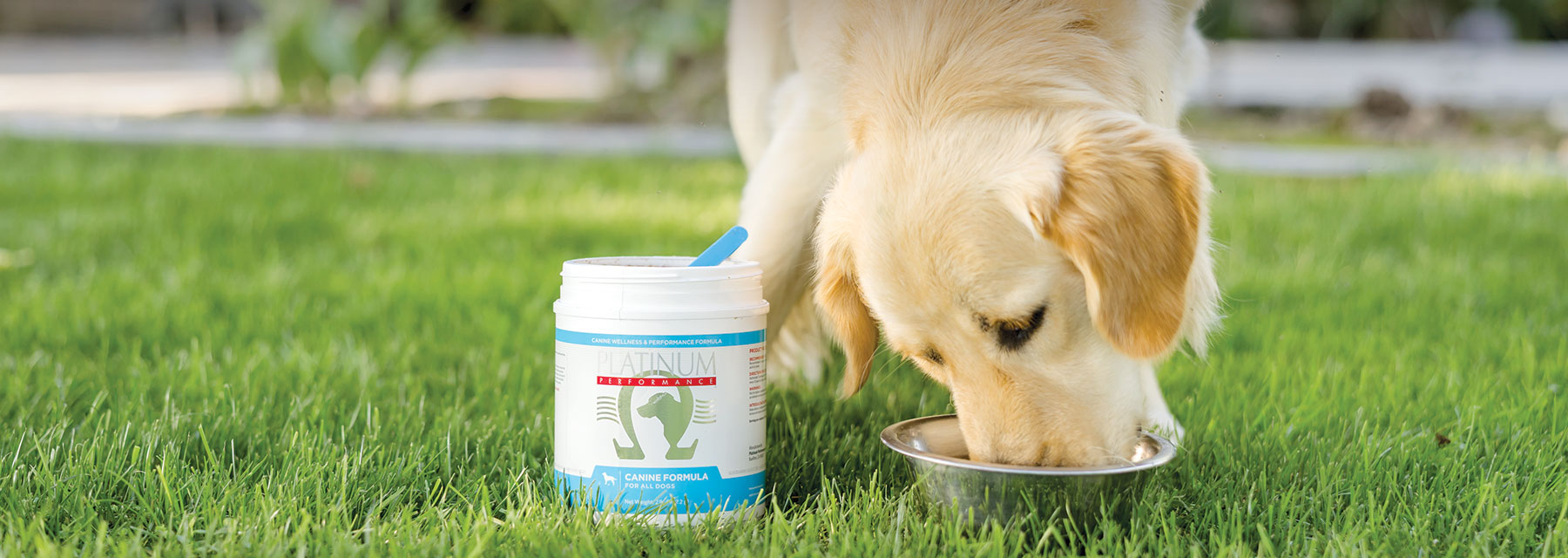
While fresh foods are known to have a higher nutritional value compared to kibble, there may still be key ingredients lacking in the diet. To ensure your dog is getting everything needed for comprehensive health, one of Platinum’s three wellness formulas pairs well with any form of dog food you are feeding. Each veterinary-developed formula is packed full of quality, easily absorbed vitamins, trace minerals, amino acids and more to ensure that all nutritional needs are met. Each formula includes omega-3 fatty acids that provide a multitude of health benefits, including skin and coat health, immune function, digestion and cognitive health. These essential fats are not present in a fresh food or kibble diet due to its complex profile that will not remain stable through any heating process.
Pet owners will also supplement a fresh food diet to address specific needs or concerns, such as healthy joint function. Key nutrients like the glucosamine, methylsulfonylmethane, Boswellia serrata and hyaluronic acid found in Platinum Performance® Canine CJ (Complete Joint) helps support healthy joint cushioning and lubrication. Dogs struggling from seasonal allergies may also find some relief by combining a fresh food diet with supplementation of omega-3 fatty acids, quercetin and docosahexaenoic acid. The clean nutrition of the fresh diet can be a great tool to pair with supplementation to further support whole-body health and address any special needs or concerns a dog is experiencing.
Canine Fresh Food Diet
Reasons to Feed
- Nutrient Value
- Palatability
- Weight Management
- Healthy Digestion
- Fewer Preservatives
- Easier To Chew
Reasons Not to Feed
- Cost
- Short Shelf Life
- Storage (Fridge Space)
- Logistics When Traveling
- Limited Availability
- Longer Preparation Time
- Food Safety Considerations
Check With Your Veterinarian
The decision to switch your dog’s food should not be taken lightly. It’s important to weigh all options and discuss any changes to your dog’s diet with your veterinarian. There are many new, innovative and premium brands of kibble now available if a fresh diet is not possible. Supplementation with a quality wellness formula can also help to bring up the nutritional value of a dog’s diet when feeding a dry kibble. Make sure to do your own research and find the best solution for you and your canine pal.
Changes to Your Dog’s Diet
Be sure to make any dietary changes gradually over 7-10 days, so your dog can get accustomed to the change and help to avoid potential gastrointestinal upset.
Request Platinum Magazine
Read inspiring stories of success, companionship and collaboration
At Platinum Performance, we love to showcase the success of our clients, their horses and the veterinarians that care for them. All issues of Platinum Magazine are complimentary.