By
Emily Smith, MS
![]()
, Platinum Performance®

Emily Smith, MS
Platinum Performance®
Emily Smith, MS, has been an equine nutritionist at Platinum Performance® for over 15 years and has a passion for answering technical nutrition questions and finding the best diet for the individual horse. She has written many articles including The Power of Vitamin E, Feeding Frenzy: A Forage First Approach and The Joint File.
The Critical Influence of Nutrition on a Chronic Endocrine Disorder
Equine Cushing’s Disease, more correctly known as Pituitary Pars Intermedia Dysfunction (PPID), is a chronic endocrine disorder, primarily affecting older horses. In the U.S., it is estimated to affect at least one third of the horse population aged 15 years or older. Cushing’s is characterized by the degeneration of specific neurons in the hypothalamus region of the brain, leading to hormonal imbalances with extensive systemic effects. While medication like pergolide mesylate (Prascend®) is the cornerstone of veterinary treatment for this disorder, nutrition plays a central role to support quality of life and minimize complications, such as laminitis. Understanding the pathophysiology of PPID, the clinical signs, diagnosis and nutritional management strategies can make a significant impact on a horse’s health and longevity.
Inside the PPID Horse
Dopaminergic neurons produce dopamine that functions as both a neurotransmitter and a hormone in the hypothalamus located at the base of the brain, just above the pituitary gland. In healthy horses, the hypothalamus inhibits hormone production from the intermediate lobe of the pituitary gland using the neurotransmitter dopamine. In horses with Cushing’s Disease, the hypothalamus fails to produce enough dopamine leading to an overactive pars intermedia causing it to produce excess hormones, particularly adrenocorticotropic hormone (ACTH). Elevated ACTH stimulates cortisol production. Cortisol is both a steroid and a stress hormone, and, in excess, can cause widespread metabolic repercussions with symptoms including:
- Long, wavy hair coat that does not shed properly (hirsutism)
- Weight loss
- Excessive drinking and urination
- Muscle wasting (especially topline leading to a swaybacked appearance)
- Abnormal sweating
- Depressed immune function
- Delayed wound healing and hoof abscesses
- Lethargy and poor athletic performance
- Fertility issues
Many horses with PPID — nearly one in three — have abnormal glucose (sugar) metabolism, referred to as insulin dysregulation (ID), which puts them at a higher risk of developing laminitis, often recurrent or chronic that can be a devastating complication. Some of these horses may appear normal or thin but develop abnormal fat distribution or deposits over the tail head, shoulders as well as a cresty neck.
Diagnosing Cushing’s
Identifying PPID involves a combination of history, clinical signs and laboratory testing. The clinical signs often come on gradually resulting in many horses being diagnosed late. In particular, while a long hair coat is almost always associated with PPID, affected horses sometimes have a normal coat. Once confirmed, most afflicted horses begin drug therapy that includes pergolide, a dopamine agonist given orally each day that reduces ACTH secretion. Cyproheptadine is sometimes used as a supplementary medication. A newer option, cabergoline, is from the same drug family as pergolide but is an extended release injectable dopamine agonist given as a weekly intramuscular injection by a veterinarian. Bloodwork should be checked regularly for updated ACTH, insulin and glucose levels.
Common Tests for PPID
- Baseline ACTH concentration, especially in autumn: elevated in most cases.
- Thyrotropin releasing hormone (TRH) stimulation test: particularly useful for identifying early-stage PPID.
- Dexamethasone (a synthetic steroid) suppression test: less commonly used due to risk of laminitis — as steroids can trigger or worsen the condition.
Nutrition plays a central role in controlling PPID metabolic complications, especially in cases of insulin dysregulation and the risk of laminitis. Proper diet can help manage ID issues by improving insulin sensitivity and minimizing blood glucose spikes. Dietary changes can also support immune function, preserve muscle mass, minimize oxidative stress and enhance overall quality of life.
The Role of Nutrition
While medication helps regulate hormonal imbalances, nutrition plays a central role in controlling PPID metabolic complications, especially in cases of insulin dysregulation and the risk of laminitis. Proper diet can help manage ID issues by improving insulin sensitivity and minimizing blood glucose spikes. Dietary changes can also support immune function, preserve muscle mass, minimize oxidative stress and enhance overall quality of life.
Feeding Tips for Different Types of PPID Horses
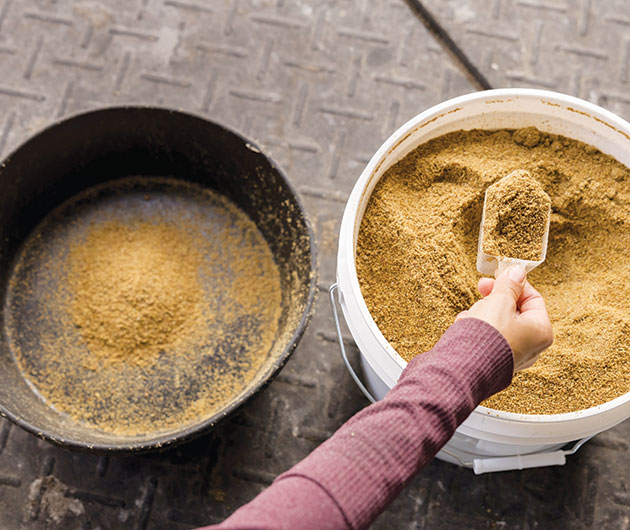
What you feed your horse depends on the individual horse, based on its body condition score and insulin status. While sugar control is important for those horses with insulin dysregulation, additional calories are helpful for lean equines with normal insulin status. All PPID horses can benefit from a comprehensive supplement containing omega-3 fatty acids, antioxidants (including vitamins C and E) and trace minerals to support immune health. Provide a white salt block, loose salt free-choice, or add 1-2 tablespoons per day into the feed to support electrolyte consumption and normal hydration. Fresh, clean water should always be available.
Other suggestions include:
- Feed forage that is tested to be lower than 12% NSC for horses with concurrent ID that require weight loss or control. Soak hay if necessary and dispose of the water. Limit grazing. A low-starch balancer pellet or supplement can help fill in nutritional gaps.
- NSC content is less of a concern for lean horses with normal insulin status. Include free-choice hay, access to grazing and feeds with healthy calories.
- Choose a low-starch senior feed, unmolassed beet pulp or flax oil to support a healthy weight for the less common lean horse with ID.
Also, see “Dietary Care for Managing Difficult Metabolic Cases”
Dietary Goals for Managing PPID
Control Non-Structural Carbohydrates (NSCs)
Non-structural carbohydrates are readily digestible sugars and starches in a horse’s diet, primarily found in grains and lush forages, which are quickly broken down into glucose for energy. NSCs are an important consideration in the management of horses with metabolic sensitivities, especially those with ID because diets high in NSC content can precipitate laminitic episodes.
Guidelines for NSC Content in the Diet:
- For ID horses or a history of laminitis, aim for NSC to be about 10-12% or less of the total diet.
- Test all hay types for carbohydrate levels including: water-soluble carbohydrates (WSC), ethanol-soluble carbohydrates (ESC) and starch content.
- If hay tests higher than desired in sugars, soak for 30-60 minutes in cold water to reduce WSCs by 30%-50%. Discard water.
- Avoid cereal grains (corn, oats and barley), molasses and sweet feeds.
- Opt for low-NSC feed options, such as unmolassed beet pulp, low-NSC commercial senior feeds or balancer pellets.
Encourage Fiber Intake and Gut Health
With more than 70% of the equine immune system residing in the digestive tract, microbial balance is necessary for a healthy immune response as well as microbial energy. Fiber supports healthy digestion and gut health. Good quality grass hay with a low-NSC content is the best dietary foundation when feeding horses with PPID. Use alfalfa, up to 50% of the total hay, if increased protein or more calories are needed to maintain body condition. Unmolassed beet pulp, rinsed soy hulls and hay pellets are also good, low- NSC choices for supplemental calories and fiber. Avoid fiber sources with a high sugar content or added molasses.
Horses with PPID can benefit from supplements to support digestive efficiency and immune health. Prebiotics and probiotics promote a healthy gut microbiome by increasing nutritional efficiency and helping produce and maintain the beneficial bacteria needed for proper fiber digestion, as well as improve fermentative efficiency. Prebiotics are non-digestible fibers or carbohydrates that serve as fuel for beneficial bacteria already in the horse’s digestive tract. Probiotics are live, beneficial microorganisms that aid the horse by introducing new strains of beneficial microorganisms to potentially improve the balance and diversity of the existing gut flora.
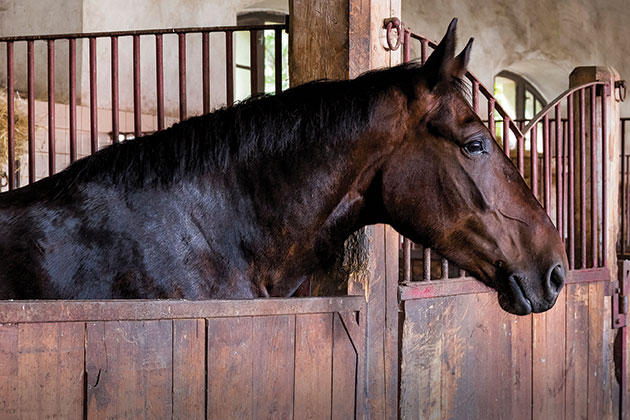
Managing the body condition of a PPID-affected horse is important and also a challenge as both overweight and underweight horses with the disorder face health risks.
Managing the body condition of a PPID-affected horse is important and also a challenge as both overweight and underweight horses with the disorder face health risks.
Managing Body Condition
Managing the body condition of an affected horse is important and also a challenge as both overweight and underweight horses with the disorder face health risks. Overweight animals are at a greater risk of laminitis, while underweight horses suffer more from muscle wasting and immune compromise. For overconditioned horses, focus on healthy calorie restriction with exercise, if appropriate. For horses that need to gain weight, particularly with normal insulin status, increase low-NSC calories and calories from fat, such as healthy oils from flaxseed. Be familiar with assessing a horse’s body condition score (BCS) using the nine-point Henneke scale. Tools like a weight tape can also help to assess your horse objectively. Reevaluate the horse’s BCS every four weeks, checking not only for weight but coat condition and hoof health as well. Adjust feed as necessary based on body condition changes.
How Does PPID Differ from EMS?
Pituitary pars intermedia dysfunction and equine metabolic syndrome (EMS) are commonly and mistakenly used interchangeably. Both are endocrine disorders; their symptoms can often present as very similar, but their etiology is dramatically different, and they can occur independent of one another.
PPID is a progressive neurodegeneration of the hypothalamus of the brain that results in a decrease to the normal release of dopamine, which normally acts to inhibit the secretion of adrenocorticotropic hormone (ACTH) from the pars intermedia portion of the pituitary gland. ACTH stimulates the adrenal gland to produce cortisol. The excessive amount of this hormone seen in PPID can cause a lot of issues, including decreasing insulin sensitivity in the tissues.
EMS is primarily linked to insulin dysregulation as well as a combination of increased fat deposits and a reduced ability to lose weight. Most EMSaffected horses are obese, with BCS rankings of 6 or higher. When affected horses consume meals high in specific carbohydrates, their bodies produce higher than normal levels of insulin and are slow to return to baseline values. EMS can result in laminitis, a painful separation of the hoof from the underlying coffin bone that requires special management and may be life threatening.
Some horses with Cushing’s disease develop ID — like EMS horses — but not all do.
Older horses are more likely to develop PPID, with the average age of an affected animal being over 15; however, it is seen in non-senior, mature horses as well. EMS is seen often in younger horses, aged 6-18.
Horses with both disorders are treated with dietary management and restrictions.
PPID horses that are overweight and struggle with insulin resistance, where the body does not respond normally to insulin, a hormone that regulates blood sugar levels, will receive a diet similar to an EMS-afflicted horse. In addition, PPID horses need pharmaceutical intervention, specifically pergolide.
EMS horses are treated through dietary management: non-structural carbohydrate restrictions; limits on total calorie intake; and a reduction or elimination of pasture access. Affected equines may also receive increased exercise depending on their physical condition.
Ensure Adequate Protein and Amino Acids
Excess cortisol and its catabolic process, which breaks down complex molecules (proteins, fats and carbohydrates) into simpler ones, releasing energy and raw materials, often result in muscle loss, especially along the topline, in PPID horses. Making sure that these horses consume enough quantity and quality protein is vital. Senior horses may have reduced efficiency in protein utilization, making bioavailable sources important. Aim for 10%-12% crude protein in the diet and include high-quality protein sources, such as alfalfa, soybean meal, flaxseed meal and whey.
The quality and digestibility of dietary protein is important in both forage and other feeds. Senior horses with Cushing’s often benefit from including a highly digestible forage with an acid detergent fiber (ADF) concentration — a measure of cellulose and lignin concentrations, which horses cannot digest — of under 40% cellulose and less than a 9% lignin concentration, on a dry matter basis. Commercial complete feeds or ration balancer products that contain 30% protein, or high-quality single sources of protein like whey, provide a balance of amino acids that help a horse meet its protein requirements. Amino acid supplements with lysine, threonine and methionine can help to maintain muscle mass. For senior horses, have a veterinarian draw blood to check the liver and kidney function before adding extra protein to the diet.
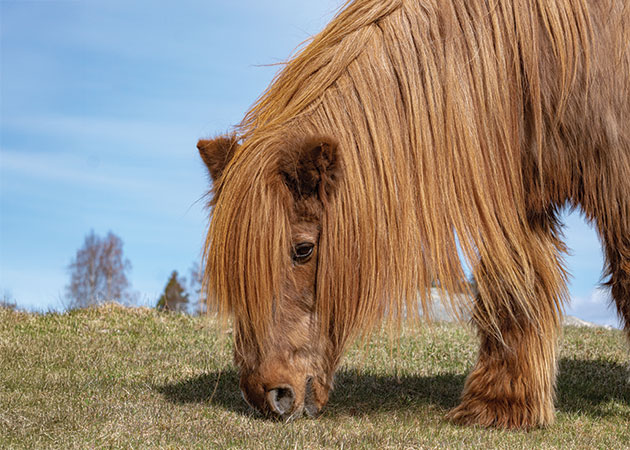
Focus on keeping the PPID immune system “prepared” at all times with a forage-based, balanced diet with specific anti-inflammatory and immunonutrients.
Focus on keeping the PPID immune system “prepared” at all times with a forage-based, balanced diet with specific anti-inflammatory and immunonutrients.
Offer Essential Nutrients for Immune Health
Horses with Cushing’s disease often show impaired immune function and antioxidant capacity. Focus on keeping their immune system “prepared” at all times with a forage-based, balanced diet with specific anti-inflammatory and immunonutrients. These include:
- Zinc and copper, which support both immune and hoof health.
- Magnesium that supports insulin sensitivity.
- Chromium to help maintain blood sugar.
- Stress reduction and a diet rich in antioxidants, probiotics and omega-3 fatty acids can help to support immune health.
Free radical accumulation may closely be involved in aging and age-related health conditions, such as PPID. These unstable molecules with unpaired electrons that damage cells in horses — a process known as oxidative stress — have been implicated in reduced immunocompetence. Vitamin C helps maintain immune function and may be useful for seasonal respiratory or skin allergies, wound healing and bone and tissue repair. This vital antioxidant is typically produced at adequate levels in the liver of the adult horse, where it is synthesized from glucose. Endogenous vitamin C levels have been demonstrated to be lower in older horses, and senior horses may benefit from supplemental vitamin C. Natural vitamin E (d-alpha tocopherol), another potent antioxidant, may also be recommended for PPID-afflicted horses. While it is plentiful in fresh, green grass, it will need to be supplemented for horses on a hay-only diet, when grass is inadequate due to seasonality or for older horses.
“Inflamm-aging,” a state of chronic, low-level, systemic inflammation in aging horses may contribute to the development of certain age-associated diseases, including PPID. Numerous studies show omega-3 fatty acids have a multitude of systemic advantages including support for immune function and the promotion of healthy skin and hooves. Horses benefit from supplemental omega- 3 fatty acids, particularly if they are on a hay-only diet or during months when the quantity, quality or health of pasture grasses are negatively impacted by environmental and management factors. This essential nutrient must be obtained through the diet as horses are unable to synthesize it internally.
Can a Horse with PPID be Turned Out on Pasture?
Pasture grasses can vary widely in sugar content with some having a deceptively high NSC content. For lean horses with normal insulin status, restrictions may not be necessary. In horses with ID (or unknown status), grazing should be limited during the spring and fall, or when the grass has been stressed, such as during a drought or frost. Time of the day matters; early morning hours, between 3 a.m. and 10 a.m., tend to have the lowest plant sugar levels. Some horses may need to wear a grazing muzzle. If you are unsure about your pasture, turn your horse out on a dry lot and offer hay with a known NSC profile.
Avoiding Common Mistakes
- Check the NSC of all feeds. For commercial feeds, if it’s not listed on the bag’s feed tag, call the company and ask for that information.
- Don’t assume your hay is low in sugar. Test each type of hay that you feed your horse, including new batches or shipments.
- Remember the sugar of pasture grass content can vary. Turn your horse out with caution on new or stressed pasture.
- Hay-only diets will need supplementation that includes micronutrients with omega-3 fats and vitamin E.
- Medicine works best when paired with dietary support.
Request Platinum Magazine
Read inspiring stories of success, companionship and collaboration
At Platinum Performance, we love to showcase the success of our clients, their horses and the veterinarians that care for them. All issues of Platinum Magazine are complimentary.